On Tuesday, Madison County, Iowa, marks the 180th anniversary of its establishment by the Iowa Territorial Legislature. The Madison Report reflects on a county history shaped by hardship, ingenuity, and persistence.
Madison County was established on January 13, 1846, by the Iowa Territorial Legislature—nearly a year before Iowa was admitted to the Union on December 28, 1846. Named for James Madison, the fourth President of the United States and a principal author of the Constitution, the county was formed when the region remained largely undeveloped prairie and timberland, with few roads and limited infrastructure.
Early Settlers
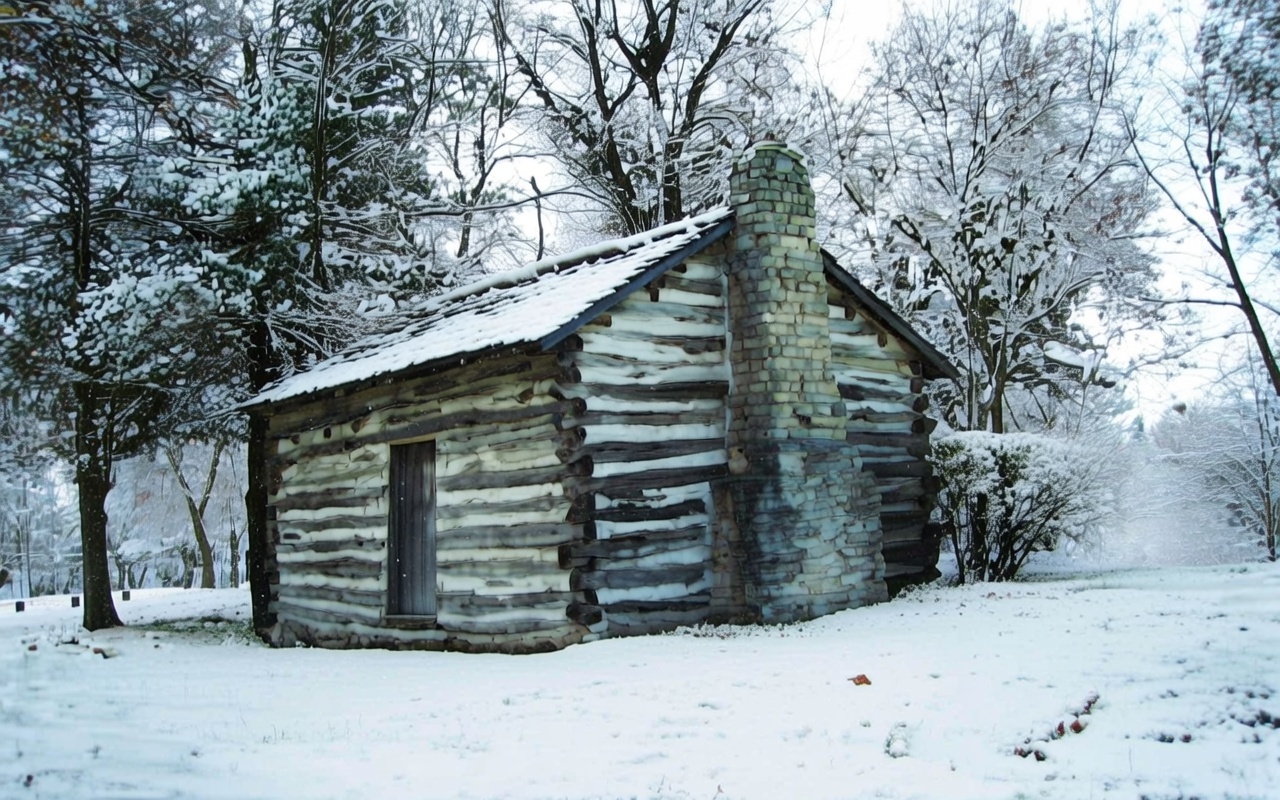
Settlement in the 1840s and 1850s was demanding and uncertain. Early residents were united by the shared challenge of building lives on the frontier. Harsh weather, economic instability, isolation, and disputes over land and governance were common features of daily life. According to early county histories, territorial records, and settlement accounts, progress came gradually, shaped by necessity, negotiation, and adaptation rather than ideal conditions.
Communities were Established
Winterset was designated the county seat in 1849, providing a center for courts, records, and local administration. After Winterset was established, additional towns developed across Madison County, with St. Charles, Peru, Earlham, and Patterson emerging before the Civil War, followed by Truro and Bevington in the postwar period as transportation routes expanded.
Education
Education in Madison County evolved alongside settlement and government itself. In the 1840s, most children were taught at home, with parents providing instruction in reading, writing, and arithmetic within the demands of daily life. As population increased, settlers organized informal subscription schools, pooling resources to hire teachers and holding classes in cabins, homes, or shared buildings.
During the 1850s, one-room schoolhouses became more common as townships organized, and state education reforms in the late 1850s and early 1860s established tax-funded school districts. Over the following decades, consolidation, standardized curricula, and “normal school” training for teachers brought public education into the 20th century.
Churches
Religious life also emerged early in the county’s development. Methodist circuit riders were among the first to hold regular services, with worship initially taking place in homes, cabins, and schoolhouses. By the early 1850s, formal congregations began to organize, including a Catholic parish at St. Patrick’s Irish Settlement in 1852 and a Presbyterian congregation in Winterset in 1854, followed by Baptist and other Protestant congregations. Multiple denominations often shared space until resources allowed for separate buildings.
County Government
County government in Madison County, Iowa developed alongside Iowa’s evolving legal framework. In the county’s earliest years, local administration followed territorial and early state law, with governance centered on courts and a small number of officials responsible for taxation, records, and law enforcement. As Iowa law changed during the 1850s, Madison County voters began electing key officers such as the sheriff and treasurer, reflecting a move toward voter accountability in county affairs. Other offices evolved more gradually; record-keeping functions were initially combined with other duties before the county recorder emerged as a distinct, elected position as land transactions increased. The structure of county government was further standardized under Iowa Code in the late 1860s, when the board of supervisors was established as the county’s primary governing body. By the 1870s, Madison County operated under a system of elected county officers overseen by an elected board—a framework set in state law that continues today.
Business
In Winterset, early businesses appeared soon after it became the county seat, with general stores and blacksmith shops operating by the early 1850s, hotels and boarding houses by the mid-1850s, and gristmills and sawmills in use nearby along waterways to support agriculture and construction. Livery stables and taverns followed as travel and commerce increased. In other towns, early businesses tended to be fewer and closely tied to surrounding farm communities and local trade.
Covered Bridges
Among Madison County’s most enduring historical features are its covered bridges, most of which were constructed in the late 19th century. These bridges were covered for practical reasons, not decorative ones. Wooden roofs and siding protected the internal timber trusses—the structural core of the bridge—from rain, snow, ice, and prolonged sun exposure. In an era when materials were costly and replacement difficult, covering a bridge could extend its lifespan from a few years to several decades. Their survival today is a testament to the ingenuity of the engineers at that time as well as later generations’ commitment to preservation.
Public Discourse
Through wars, agricultural crises, economic downturns, and political disagreement, Madison County persisted. Madison County’s history shows that adversity and disagreement are not new. What differs across generations is how those challenges are navigated. Advances in communication and technology have changed the pace and reach of public discourse, offering new ways to resolve differences while also introducing new strains on civic life.
The county’s endurance reflects efforts to navigate difficult circumstances and to find ways to continue working together despite our differences or efforts to divide residents. That history remains the foundation upon which the county stands today.
To learn more about Madison County history, check out these local resources:
Madison County Historic Preservation Commission
Madison County Historical Society
Madison County IAGenWeb